

At Narcoossee Oaks Animal Hospital, we receive many questions about leptospirosis from dog owners. Better understanding of such diseases is the foundation to better pet health, so we recommend that pet owners review the following FAQs on leptospirosis.
Question: What is leptospirosis, and how can I know if my dog is at risk?
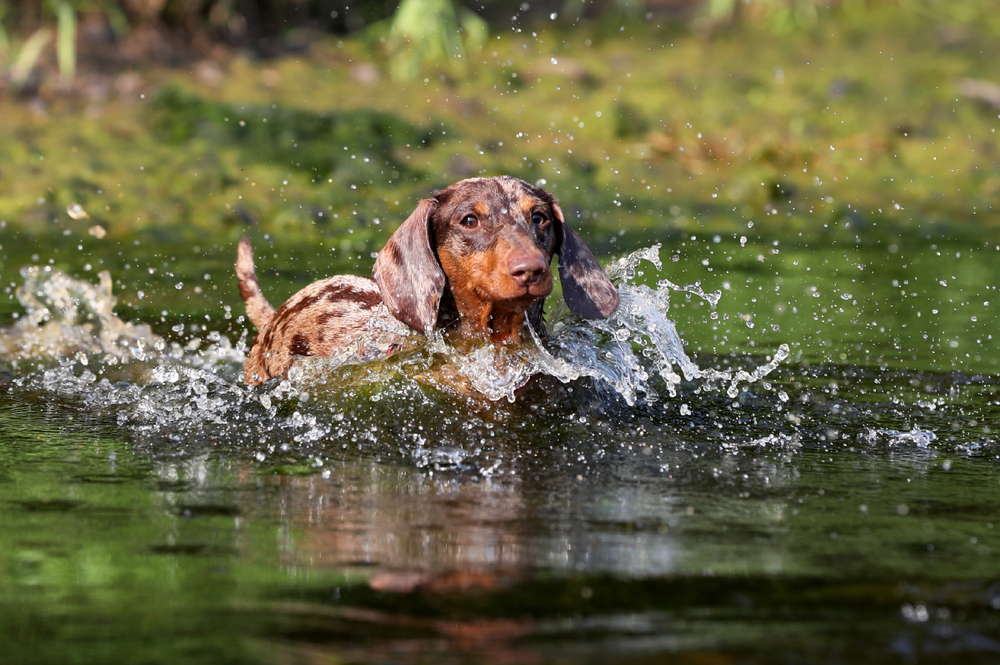
Answer: Leptospirosis is a bacterial disease that affects dogs, humans, wildlife, and livestock. Infected animals shed bacteria through their urine, contaminating nearby soil and water. Animals who encounter the contaminated environment can become infected through oral-nasal or skin contact (e.g., swimming).
Leptospirosis can affect dogs of all ages, breeds, and both genders. Infections can range in severity from asymptomatic to life-threatening, and tend to be more severe in the young and immune-compromised. Dogs who spend time in wooded or rural areas have increased risk. Dogs in urban areas may encounter the bacteria in rodent-infested areas, including dumpsters, alley ways, and vacant properties.
Q: How can my dog be exposed to leptospirosis?
A: More than 200 strains of Leptospira bacteria are found throughout the United States and worldwide, although, fortunately, far fewer strains affect dogs. The most common ways a dog is exposed to leptospirosis include:
- Direct contact with infected urine
- Close contact with an infected animal
- Digging in infected soil
- Swimming in infected water with broken skin
- Being bitten by an infected animal
- Direct exposure to infected animal tissues (e.g., catching a mouse or rat)
Q: My dog drank water from a park puddle. How will I know if they are sick?
Answer: If your dog was exposed to leptospirosis in the water, they will show signs in 4 to 14 days. Bacteria will infect your dog’s bloodstream, and target their kidneys, liver, central nervous system, and eyes, where they will multiply and cause damage.
If your dog’s immune system is healthy, they may not show any signs, as their body can clear the infection without illness. Mildly infected dogs may experience general signs, such as:
- Fever
- Lethargy
- Decreased appetite
- Vomiting
- Diarrhea
- Sudden stiffness, weakness, or reluctance to move
- Urination changes (e.g., urinating more or less frequently, or not at all)
Severely infected dogs may appear jaundiced (i.e., yellow eyes and gums). Pinpoint hemorrhages that look like small freckles may be visible on hairless areas. Rarely, dogs have respiratory difficulty, but at this stage, they are experiencing a severe infection, and likely organ and vascular damage. If you notice any changes in your dog, and know that they drank possibly contaminated water, schedule an appointment at our hospital. Early treatment ensures the best outcome and may minimize organ damage.
Q: Can my dog give me leptospirosis?
A: Although leptospirosis is a zoonotic disease (i.e., transmission between animals and humans is possible), you are unlikely to contract leptospirosis from your dog. Human cases are typically linked to exposure during recreational water sports, or from drinking contaminated water. Basic hygiene, including hand washing and discouraging your dog from close facial contact, is your best defense.
Q: What is the treatment for dogs with leptospirosis?
A: Leptospira bacteria can be eliminated with antibiotics, although the kidney and liver damage may be permanent. Mild infections generally improve with a 14-day antibiotic course and careful home management. Dogs with severe illness may require hospitalization for intermittent fluid therapy to temporarily improve kidney and liver function, and to flush excess toxins from their body. Kidney, liver, and gastrointestinal protectants may be administered, and oral versions prescribed long-term.
Dogs treated as outpatients must be carefully handled to prevent disease transmission. Pet owners are advised to take the following precautions:
- Wear gloves when handling urine-soiled areas.
- Clean up urine accidents immediately with a disinfectant.
- Isolate your dog from other pets, humans, or water sources.
- Avoid close facial contact with your dog.
- Wash your hands.
Q: How can I protect my dog from leptospirosis?
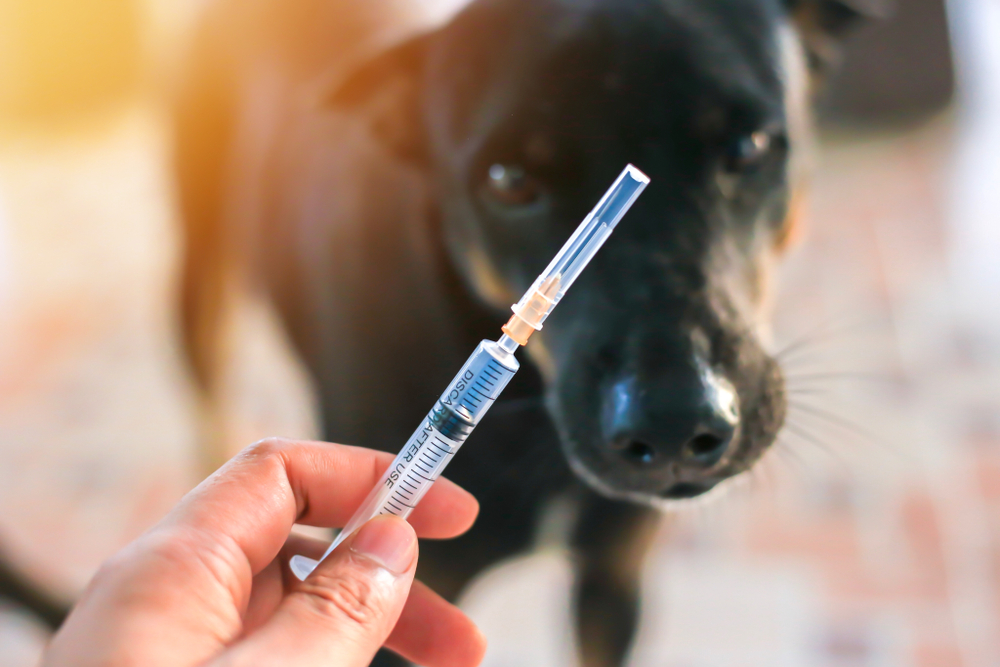
A: An annual non-core (i.e., elective) vaccination is available to protect dogs against the four most common canine leptospirosis strains. Vaccinated dogs are still vulnerable to other strains, but vaccination effectively reduces disease severity and bacterial shedding, and is recommended, based on your dog’s lifestyle, health status, and exposure risk.
Despite reports of the vaccination causing side effects, the leptospirosis vaccine is no more likely to cause a sensitivity reaction than any other veterinary vaccine. Observe your dog closely following any vaccination, and call us if you suspect an adverse reaction.
Environmental measures, such as limiting your dog’s access to areas with still water, wet, marshy areas, or areas with heavy wildlife or rodent populations, will help protect them.
The vague disease signs and accessible infection sources make leptospirosis a sneaky and subtle threat to dogs and humans. However, knowing about and being aware of leptospirosis, its transmission, and early warning signs are the best protection for you and your dog. To discuss your dog’s risk factors, and determine if they should be vaccinated against leptospirosis, contact Narcoossee Oaks Animal Hospital.




Leave A Comment